
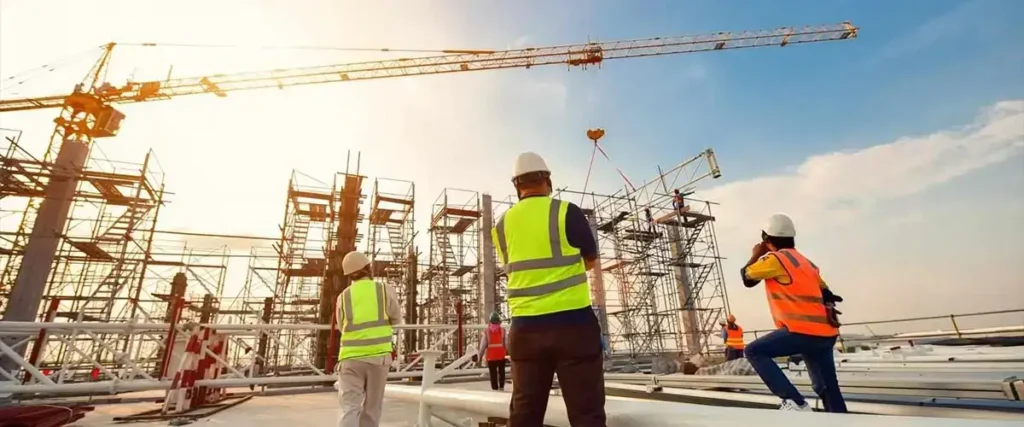
In the current economic landscape, Infrastructure Driven Property Investment has emerged as the strongest predictor of property appreciation, where the value lies not just in the building itself but in the connectivity surrounding it. Infrastructure acts as the circulatory system of a city; when new veins like metros, highways, and airports are added, the value of the heart—your home—inevitably rises.
For the modern investor, “buying early” in an area with a massive development pipeline is the most reliable strategy for wealth creation. As transit times decrease, the desirability of a neighborhood skyrockets, shifting the market from a buyer’s interest to a high-demand seller’s market.
Modern urban planning now focuses on Transit-Oriented Development (TOD), ensuring that residential hubs are no longer isolated but are integrated into a larger, efficient commercial network.
The Impact Of New Transit Links
The introduction of a major transit corridor, such as a new Metro line or an Expressway, fundamentally changes the geography of a city. Distance is no longer measured in kilometers, but in minutes.
- Commuter Convenience: Shorter travel times to business districts like BKC or CBD Belapur make outlying suburbs a viable choice for C-suite professionals.
- Micro-Market Evolution: Previously overlooked pockets transform into premium residential zones as accessibility improves.
- Increased Footfall: Better roads bring retail chains, hospitals, and entertainment centers, further boosting the “liveability index” of the sector.
- Economic Multiplier: Infrastructure projects create local jobs, which in turn fuels the demand for both rental and ownership housing.
When a bridge like the Atal Setu (MTHL) connects two distant landmasses, it doesn’t just move cars; it moves capital, shifting the real estate focus toward emerging territories.
Property Appreciation & The Airport Effect
Few things trigger a surge in land value as effectively as a new International Airport. In the MMR region, the upcoming Navi Mumbai International Airport is a prime example of a “mega-driver” that alters the regional value proposition.
The Hub-and-Spoke Growth Model
An airport serves as the “Hub,” while the surrounding residential areas act as the “Spokes.” Hotels, logistics parks, and corporate offices congregate around the airport, leading to a massive influx of a high-income workforce looking for 2 & 3 BHK residences within a 20-minute radius.
Long-Term Capital Gains
Investors who enter the market during the construction phase of such infrastructure typically see a 40% to 60% appreciation by the time the project becomes operational. This is the “Buyer-Signal” that smart money follows globally.
Sustainable Urban Frameworks – Enhancing Lifestyle Value
Beyond transportation, infrastructure also includes essential lifestyle elements that define modern luxury living. Well-planned cities with green spaces, efficient sewage systems, and uninterrupted power supply offer a more comfortable, convenient, and high-quality living experience compared to unplanned urban areas.
- Water & Power Security: Reliable utility infrastructure is a non-negotiable feature for modern high-rise living.
- Public Amenities: The development of Central Parks, stadiums, and promenades adds a layer of “Aspirational Value” that justifies premium pricing.
- Digital Connectivity: The integration of 5G infrastructure and smart-city surveillance enhances safety and tech-readiness, attracting the younger, tech-savvy demographic.
Macro-Economic Shifts & Transactional Confidence
Infrastructure development is often backed by government mandates and massive fiscal outlays. This provides a “Trust-Building” foundation for buyers. When the state invests billions into a specific corridor, it signals a long-term commitment to that region’s prosperity.
For the homeowner, this translates to better resale liquidity. A property located near a Metro station or a Highway exit is significantly easier to sell or rent out than one in a stagnant zone. The “Logistical Advantage” becomes a permanent part of the property’s DNA.
The Strategic Move – Timing Your Investment
The “Infrastructure Lifecycle” has three key phases: Announcement, Construction, and Completion. The highest “ROI Potential” lies in the transition between the construction and completion phases. As the physical structure of a bridge or station becomes visible, the perceived risk drops, and prices begin their final climb.
In areas like Kharghar, Panvel, and Ulwe, the convergence of the Metro, the Airport, and the Coastal Road is creating a “Triple-Threat” of demand that is currently unmatched in any other part of the country.
Discover Your Next High-Yield Investment
Navigating the complex map of upcoming developments requires expertise. We specialize in identifying residential projects that sit exactly where the next wave of infrastructure growth will hit, ensuring your home is both a sanctuary and a high-performing asset.
Connect With Our Strategic Advisors: +91 8624040557
Explore Premier Growth Opportunities: www.lotusrealties.com/projects/laxmi-icon